

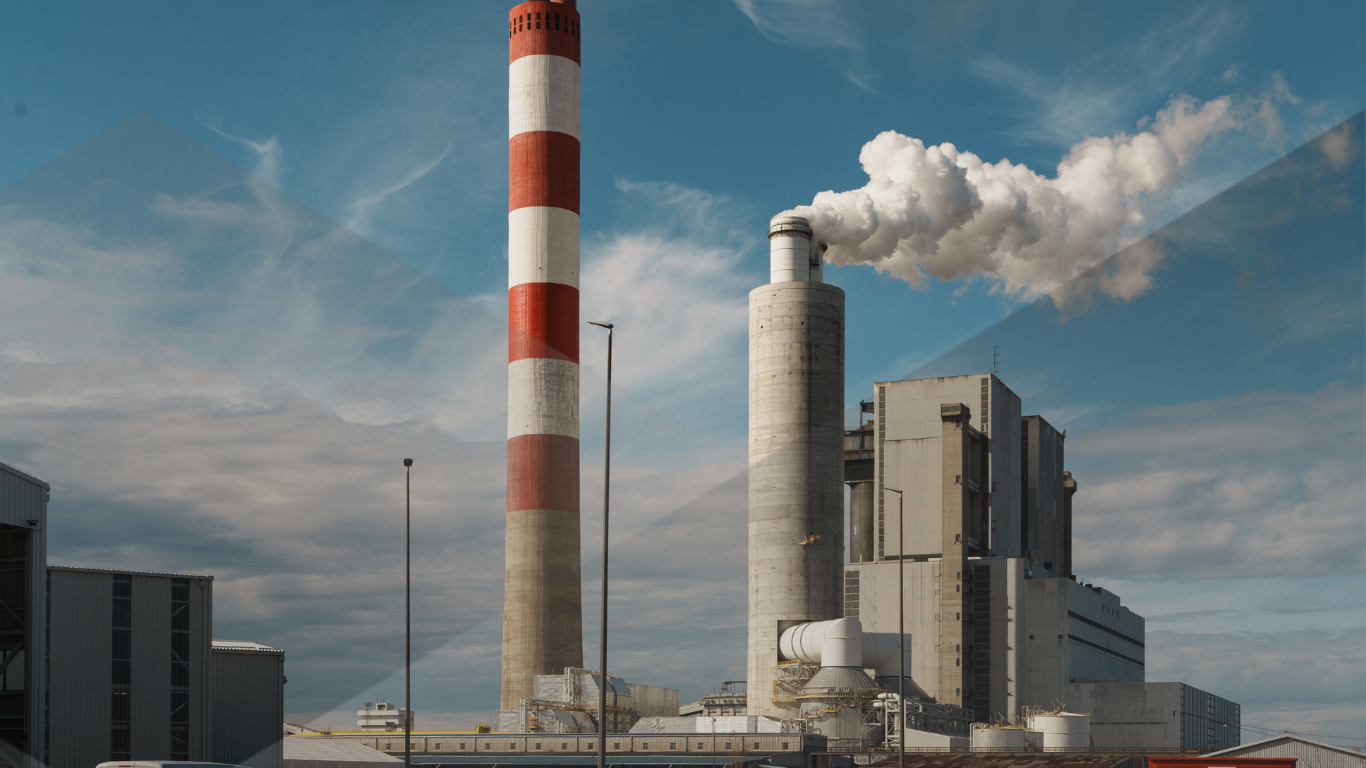
Nikola Tesla B Thermal Power Plant – 2 × 650 MW
The Flue Gas Desulfurization (FGD) Plant at the Nikola Tesla B Thermal Power Plant represents a major environmental milestone for Serbia’s energy sector. Designed to remove sulfur dioxide (SO₂) and reduce dust from flue gases generated by lignite-fired units, the facility significantly reduces harmful emissions while supporting sustainable power generation.
By implementing advanced flue gas treatment technology, the project contributes to improved air quality, reduced environmental impact on water and soil, and enhanced protection of ecosystems and public health.
Project Objectives
The FGD Plant delivers measurable environmental improvements, including:
- Reduction of sulfur dioxide (SO₂) emissions from max. 5,000 mg/Nm³ to 130 mg/Nm³
- Reduction of particulate matter emissions to below 20 mg/Nm³
- Production of high-quality gypsum as a by-product, with over 95% purity, compliant with Eurogypsum standards
Technology Overview
The plant is based on state-of-the-art wet limestone flue gas desulfurization technology supplied by Mitsubishi Power. This widely adopted process is particularly suited for large-scale lignite-fired units above 300 MW.
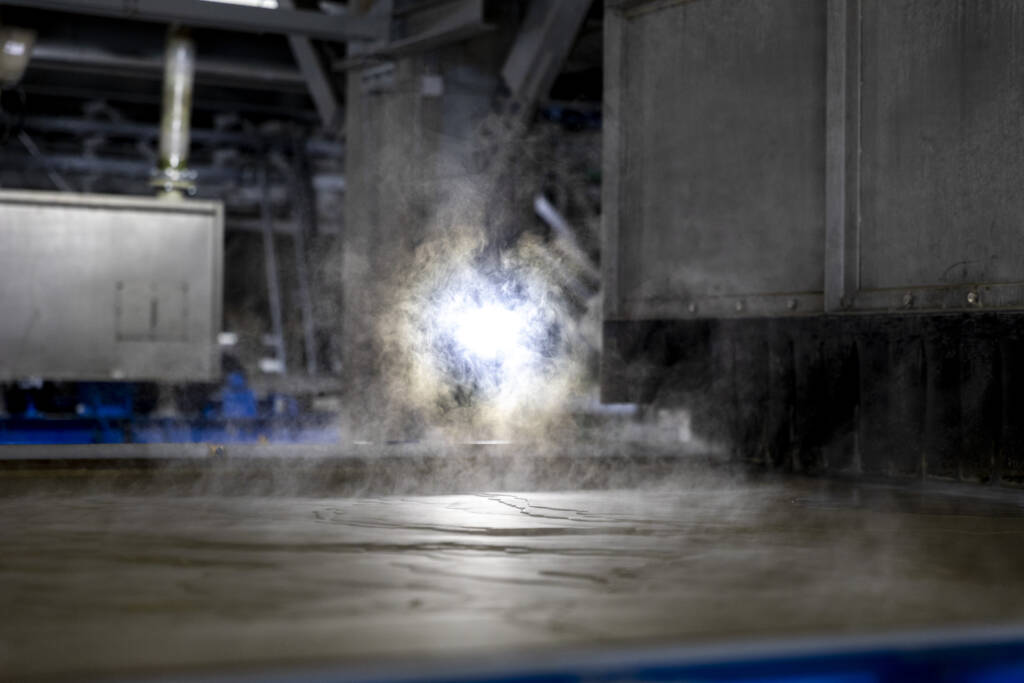
In this process, limestone slurry reacts with sulfur dioxide in the flue gas, effectively removing pollutants and converting them into a commercially usable by-product—gypsum.
Project Delivery
The project has been realized through a collaboration of leading engineering and construction companies:
Overall Project Management has been entrusted to DECO Engineering, ensuring coordinated execution and delivery across all phases of the project.
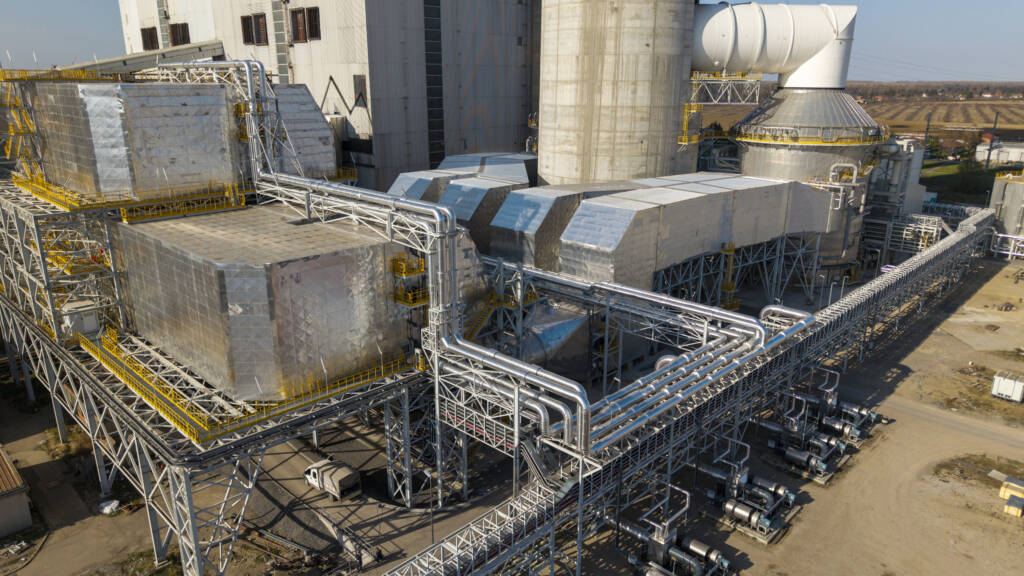
Besides Project Management, we successfully completed mechanical works on a large-scale industrial project (construction of absorbers, tanks, steel structures, flue gas ducts, pipe racks, piping (CS, SS, FRP), conveyor and storage systems, installation of equipment).
Project Structure
The construction of the FGD plant was executed through four key phases:
Phase 1 –Limestone & Gypsum Handling Area
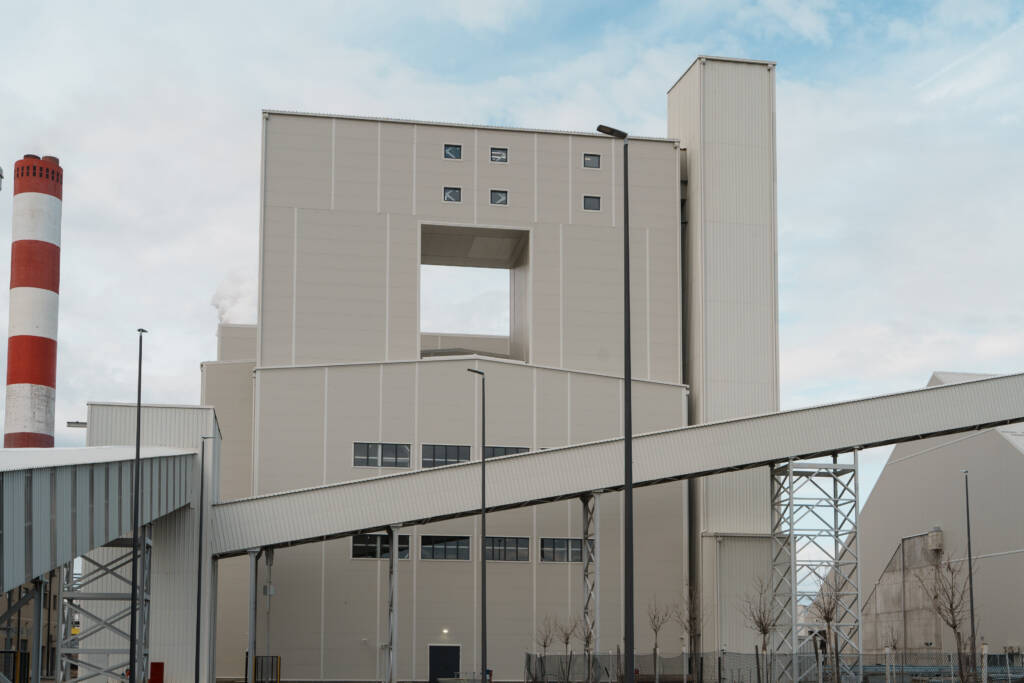
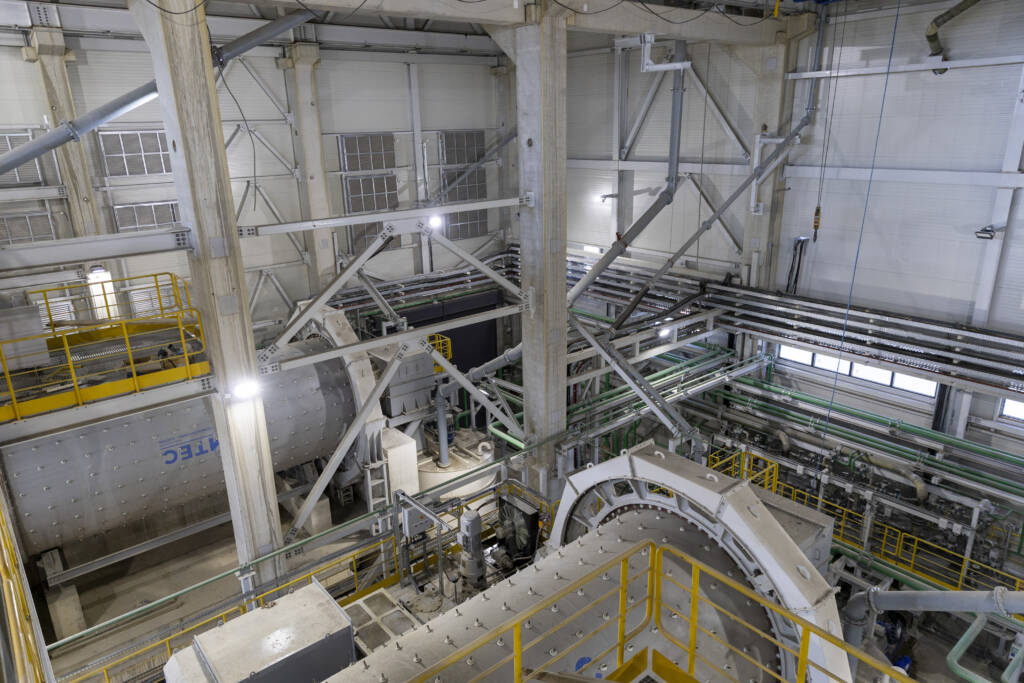
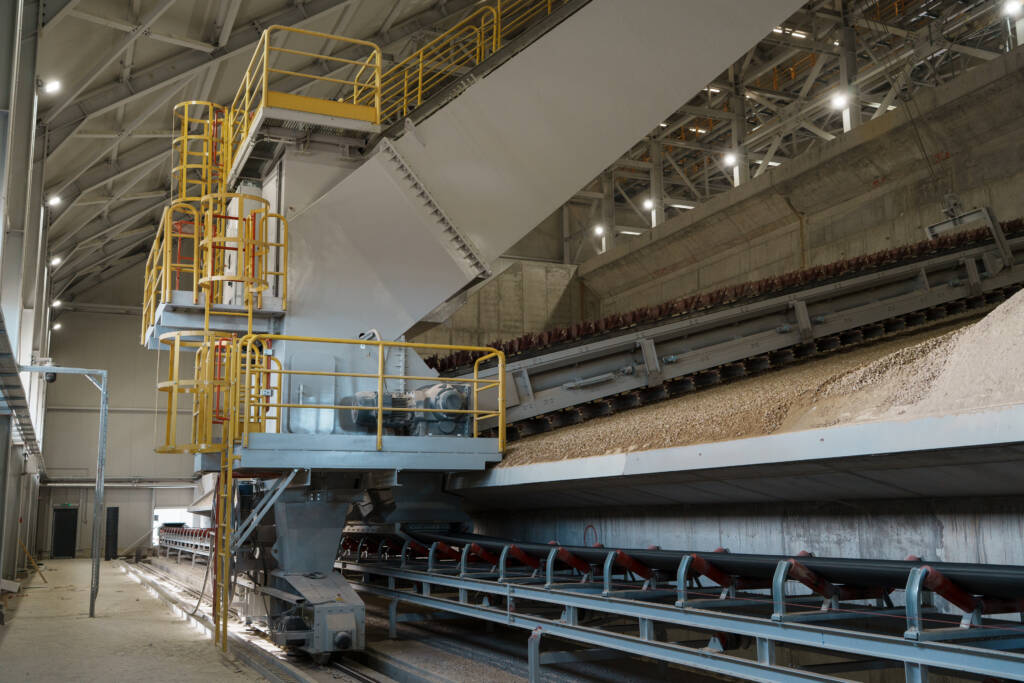
This phase covers the full lifecycle of limestone and gypsum handling—from unloading and transport to storage, milling, and slurry preparation. The process concludes with gypsum dewatering and storage, with a production capacity of up to 800 tons per day when both units operate.
The phase includes:
- Truck unloading building
- Train unloading building
- Limestone and gypsum building
- Limestone mills building
- Limestone slurry tanks
- Limestone conveyers and daily silos (2 x 600 t)
- Gypsum dewatering building
- Gypsum slurry tanks
- Wastewater tank
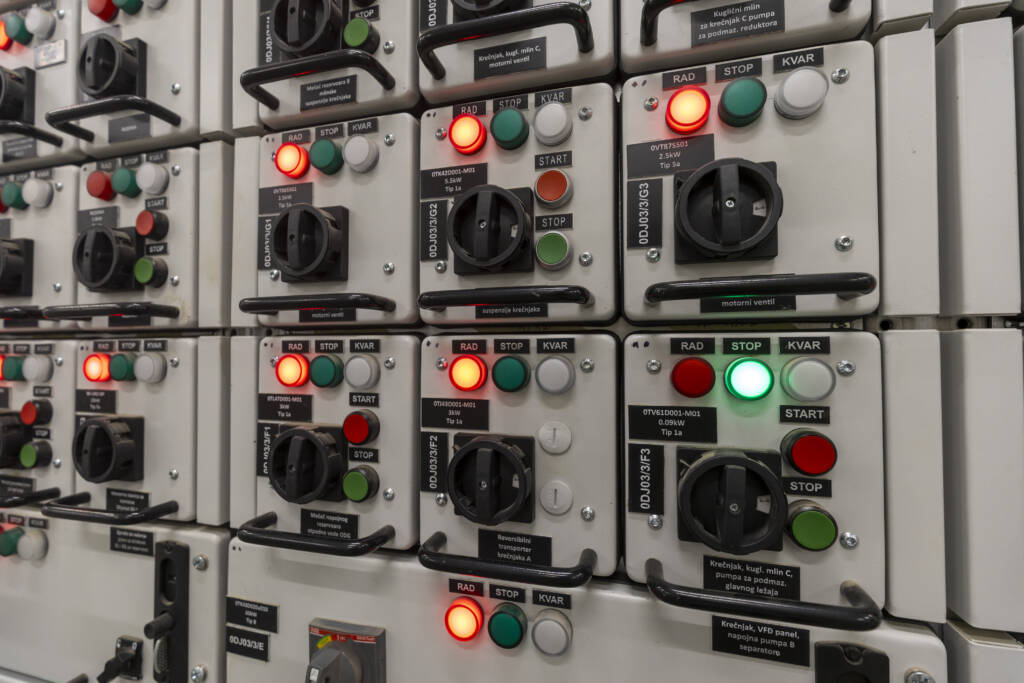
- Electrical Building 2 (6.0 kV, 0.4 kV switchgear and DCS)
- A fully equipped laboratory for analysis of process materials and wastewater
Phase 2 – Absorber & Stack Area
The central part of the system includes:
- Two absorbers (Ø 22 m, height 34 m) for units B1 and B2
- A 170 m high wet stack with dual flues
- Pump stations B1 and B2 with 16 high-capacity recirculation pumps (16 x 1MW)
- Pump station B3 with pumps for extracting gypsum slurry from Absorbers and transport to Phase 1 (Gypsum Dewatering Building)
Advanced monitoring systems measure flue gas emissions after treatment (CEMS). In the vicinity of Absorbers there are two Process Water Tanks and Absorber Blow Down Tank. In Electrical Building 1 there is a control room, Distributed Control System (DCS), 6.0 kV and 0.4 kV switchgear ensuring reliable and automated plant operation.
Phase 3 – Flue Gas Lines & BUF Fans
This phase integrates:
- Flue gas duct systems
- Four BUF Fans (4 x 3,7 MW)
- Six sealing air fans that ensure operation of the bypass and BUF isolation dampers.
Flue Gas Emission Monitoring Systems (FGEMS) provide continuous measurement of emissions prior to treatment, ensuring compliance and operational transparency.
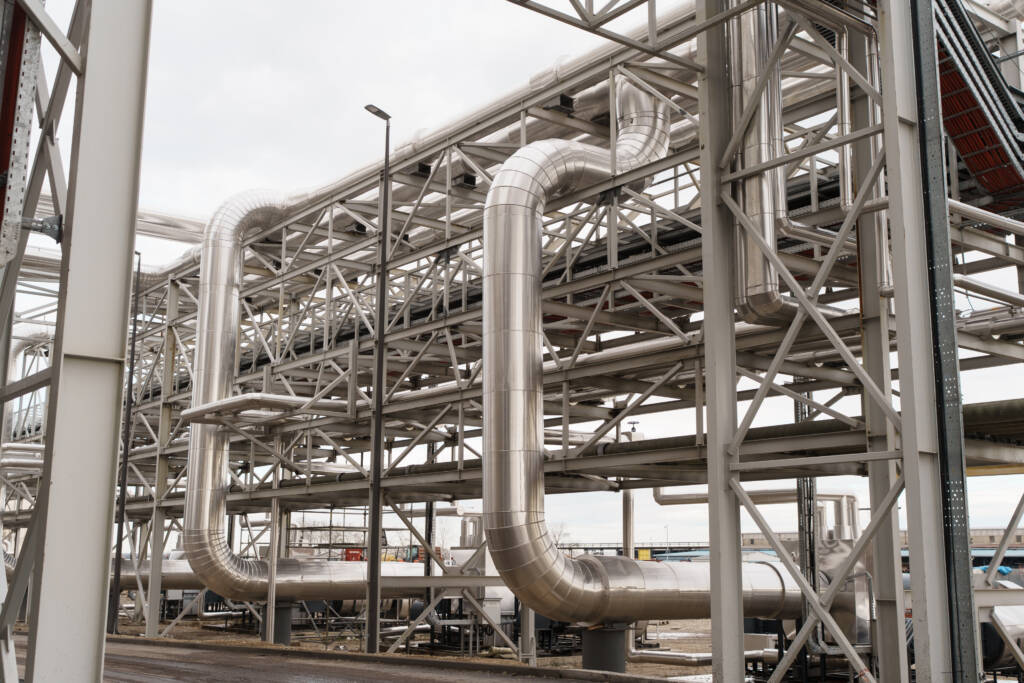
Phase 4 – Pipe & Cable Racks
The fourth phase connects the system through pipe and cable racks and includes a Disposal Gypsum Tank.
It is planned that the thick suspension of gypsum is mixed with ash and slag and deposited at the ash and slag landfill itself, which would provide an additional solution to the problem of ash spreading from the landfill, contributing to improved waste management and reduced environmental impact.
Project Completion
Construction of the FGD plant was successfully completed in December 2025, after which the Plant entered a one-year trial operation period.
This project highlights DECO Engineering’s proven ability to deliver complex energy projects in full alignment with modern environmental standards.